犹太人在五旬节听到了什么,以及这对婴儿洗礼的意义
What the Jews Heard at Pentecost and Why It Matters for Infant Baptism
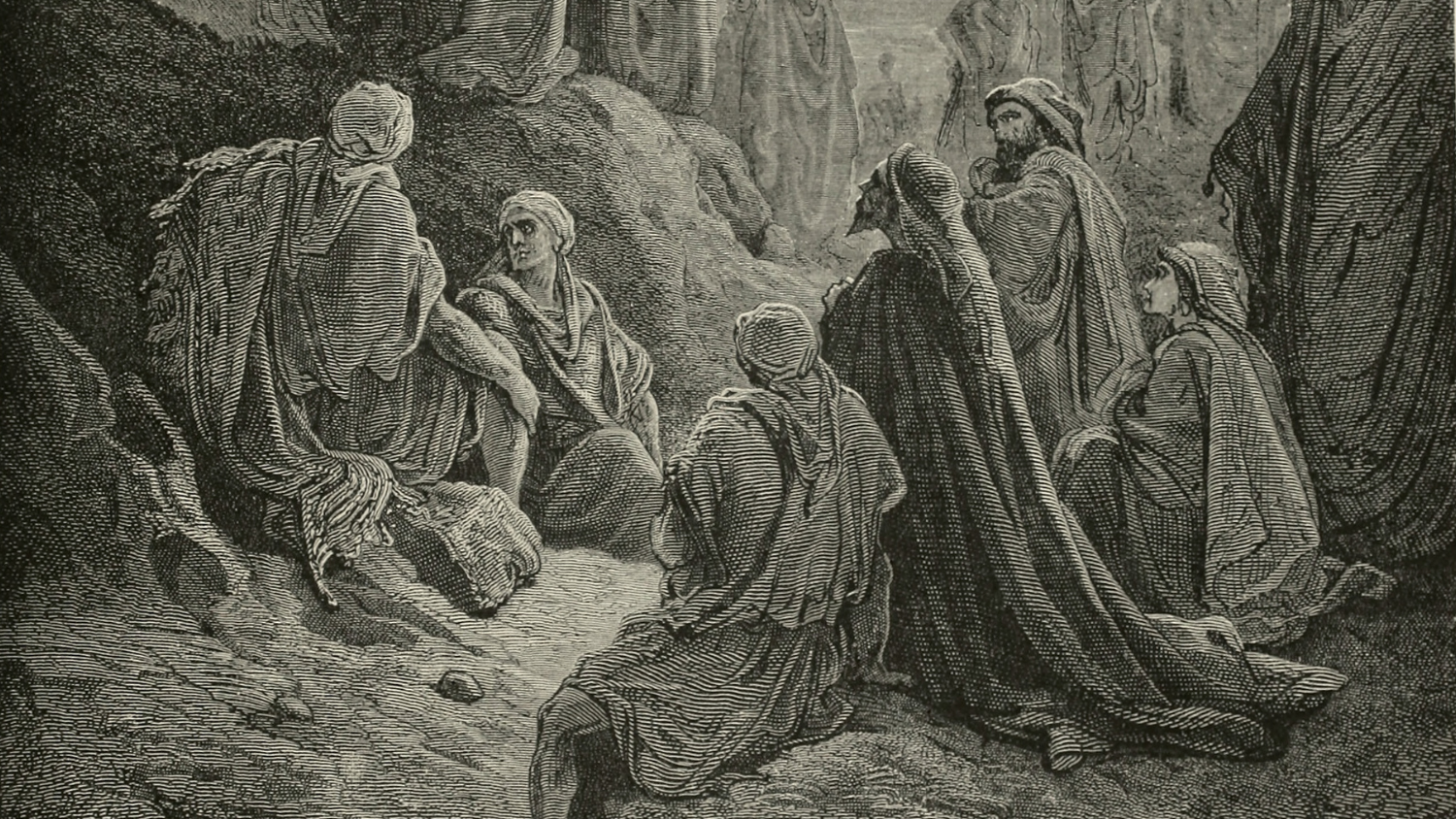
When Peter stood up at Pentecost, his audience was entirely Jewish. What did they hear when he declared that "the promise is for you and for your children and for all who are far off, everyone whom the Lord our God calls to himself" (Acts 2:39)? What they heard would have immediately governed their covenant practice, including whether they baptized their infants.
当彼得在五旬节站起来说话时,他的听众完全是犹太人。当他宣告“因为这应许是给你们和你们的儿女,并一切在远方的人,就是主—我们神所召来的”(使徒行传 2:39)时,他们听到了什么?他们所听到的内容将立即决定他们的圣约实践,包括他们是否给婴儿施洗。
Peter's words identify three groups. Many interpreters today read "those who are far off" as Gentiles or "your children" as spiritual descendants. But the decisive question is not how we read these words now, with the benefit of progressive revelation; it is how the Jews heard them then—before Cornelius, before the Jerusalem Council—within the covenantal framework they had always known. And remarkably, Acts gives us the evidence to answer that question. Their subsequent behavior reveals their understanding.
彼得的话语识别出了三组人群。如今许多解释者将“在远方的人”解读为外邦人,或将“你们的儿女”解读为属灵的后裔。但决定性的问题不在于我们现在在渐进启示的益处下如何阅读这些词,而在于当时的犹太人是如何听到这些话的——在哥尼流事件之前,在耶路撒冷会议之前——在他们一直以来所熟知的圣约框架之内。值得注意的是,《使徒行传》为我们提供了回答这个问题的证据。他们随后的行为揭示了他们的理解。
This paper argues that the Jewish Christians at Pentecost understood Peter's three groups as follows:
本文认为,五旬节时的犹太基督徒将彼得提到的三组人群理解如下:
- You—the Jews standing before him
- Your children—their physical offspring
- Those who are far off—Jews scattered among the nations
- 你们——站在他面前的犹太人
- 你们的儿女——他们的肉身子嗣
- 在远方的人——散居在万国中的犹太人
As we will see, the narrative of Acts demonstrates that this was indeed their initial understanding. They were incomplete in their reading of the third group—"those who are far off" ultimately included Gentiles, as the Cornelius episode would reveal. But they were correct in their reading of the second group—"your children" meant exactly what every Jew would have understood: their offspring, the next generation of the covenant community. We know this because no corresponding revelation ever corrected their understanding of children. The correction that came addressed only the scope of adult entry into the covenant, never the status of children within it.
我们将看到,《使徒行传》的叙事证明这确实是他们最初的理解。他们对第三组人群——“在远方的人”——的解读是不完整的,因为哥尼流事件随后揭示了这最终也包括外邦人。但他们对第二组人群的解读是正确的——“你们的儿女”正是每个犹太人都会理解的意思:他们的后裔,圣约群体中的下一代。我们之所以知道这一点,是因为从未有相应的启示来纠正他们对“儿女”的理解。随后的纠正仅针对成年人进入圣约的范围,而从未针对儿童在圣约中的地位。
The book of Acts demonstrates that the Jewish Christians understood "those who are far off" as scattered Israelites, not Gentiles—proven by their behavior and their shock at Cornelius's conversion. If they heard "those who are far off" in traditional Jewish covenant categories, they would have heard "your children" the same way. The later revelation that Gentiles were included addressed adult entry into the covenant—it never revised the status of children.
《使徒行传》表明,犹太基督徒将“在远方的人”理解为散居的以色列人,而非外邦人——这一点由他们的行为以及他们对哥尼流归主的震惊所证明。如果他们是在传统的犹太圣约范畴内听到“在远方的人”,那么他们听到“你们的儿女”时也会以同样的方式理解。后来关于外邦人被接纳的启示是针对成年人进入圣约的——它从未修订儿童的地位。
Every line of scriptural evidence—behavioral, narrative, practical, and epistolary—converges on the same conclusion: the apostles understood and practiced infant baptism as covenant continuity.
每一项圣经证据——无论是行为上的、叙事上的、实践上的,还是书信中的——都指向同一个结论:使徒们将婴儿洗礼理解并实践为圣约的延续性。
The Deuteronomic Template
申命记的模板
Peter's threefold structure was not novel. His Jewish audience would have recognized it immediately from Deuteronomy 30, the great covenant renewal passage that promised Israel's restoration after exile:
彼得的三重结构并非凭空而来。他的犹太听众会立即从申命记 30 章认出这一结构,那是关于以色列在被掳后得恢复的伟大之约更新篇章:
When all these things come upon you ... and you call them to mind among all the nations where the LORD your God has driven you, and return to the LORD your God and obey his voice, according to all that I command you today, you and your children, with all your heart and with all your soul, then the LORD your God will restore your fortunes ... and gather you again from all the peoples where the LORD your God has scattered you. If any of you are driven out to the farthest parts under heaven, from there the LORD your God will gather you. (Deut. 30:1–4, emphasis added)
「我所陈明在你面前的这一切咒诅都临到你身上;你在耶和华—你神追赶你到的万国中必心里追念祝福的话;你和你的子孙若尽心尽性归向耶和华—你的神,照着我今日一切所吩咐的听从他的话;那时,耶和华—你的神必怜恤你,救回你这被掳的子民;耶和华—你的神要回转过来,从分散你到的万民中将你招聚回来。你被赶散的人,就是在天涯的,耶和华—你的神也必从那里将你招聚回来。」(申 30:1–4,强调为后加)
The parallel is striking:
这两者的平行之处令人惊叹:
Peter's Jewish audience would not have heard new covenantal categories. They heard him announcing the fulfillment of what Moses had promised—and Moses had explicitly included children.
彼得的犹太听众听到的并非全新的之约范畴。他们听到的是他在宣告摩西之应许的成就——而摩西已明确地将儿女包含在内。
But the parallel goes deeper. Deuteronomy 30 continues with a promise that sounds remarkably like Jeremiah's New Covenant: “And the LORD your God will circumcise your heart and the heart of your offspring, so that you will love the LORD your God with all your heart and with all your soul, that you may live" (Deut. 30:6, emphasis added).
但这种平行关系更为深层。申命记 30 章接下来的应许听起来与耶利米的“新约”极其相似:「耶和华—你神必将你心里和你后裔心里的污秽除掉,好叫你尽心尽性爱耶和华—你的神,使你可以存活」(申 30:6,强调为后加)。
Here is the promise of heart transformation—the same promise Jeremiah would later elaborate as the law "written on hearts" (Jer. 31:33). Yet notice what Deuteronomy explicitly includes: the heart of your offspring (Hebrew: zar'ekha). The promise of heart circumcision is multigenerational. God pledges to transform not only the hearts of those who hear, but the hearts of their children.
这就是关于内心更新的应许——也就是耶利米后来详细阐述的律法「写在他们心上」的应许(耶 31:33)。然而,请注意申命记明确包含了什么:你后裔的心(希伯来语:zar'ekha)。心之割礼的应许是跨代性的。上帝承诺不仅要改变听见之人的心,还要改变他们儿女的心。
The Jews at Pentecost knew this text. When Peter declared that the promise was for them, their children, and those far off, they heard the echo of Moses. And when the Spirit fell—the Spirit who circumcises hearts and writes the law within—they understood this as the fulfillment of what Deuteronomy 30 had promised. That promise had always included their offspring.
五旬节时的犹太人熟悉这段经文。当彼得宣告这应许是给他们、他们的儿女以及在远方的人时,他们听到了摩西之言的回响。而当圣灵降临——这位割除人心并将律法写在内部的圣灵——他们明白这就是申命记 30 章应许的成就。那应许一直包含了他们的后裔。
The Jeremiah 31 Objection Preempted
预先应对关于耶利米书 31 章的反对意见
Before examining the historical evidence from Acts, we must address the primary Baptist objection—the appeal to Jeremiah 31. Baptists argue that the new covenant described there is fundamentally different from previous covenants. They point to Jeremiah's promise that all covenant members will "know the LORD, from the least to the greatest" (Jer. 31:34), arguing that this excludes infants who cannot yet demonstrate such knowledge.
在考察使徒行传的历史证据之前,我们必须首先处理浸信会的主要反对意见——即对耶利米书 31 章的诉求。浸信会主张,那里所描述的新约与之前的约有根本的不同。他们指出耶利米书中的应许,即所有立约成员将“从最小的到至大的都必认识我”(耶 31:34),并据此认为这排除了尚不能证明拥有此类知识的婴孩。
But this objection overlooks what Deuteronomy 30 had already established. The promise of heart transformation—which Jeremiah elaborates—was given centuries earlier by Moses, and it included offspring. If Baptists claim Deuteronomy 30 is prophetic of the new covenant (and they must, since heart circumcision is the essence of new covenant blessing), then they must reckon with the fact that this new covenant prophecy explicitly includes children.
但这种反对意见忽略了申命记 30 章已经确立的事实。关于内心更新的应许(耶利米书对其进行了详述)在几个世纪前就由摩西给出了,且该应许包括后裔。如果浸信会声称申命记 30 章是对新约的预言(他们必须如此,因为心里的割礼是新约福分的本质),那么他们就必须面对这样一个事实:这一新约预言明确地包含了孩子。
Jeremiah 31 does not introduce a new principle that excludes offspring; it elaborates a promise that had always included them. This requires us to read Jeremiah 31 according to the ordinary function of covenantal speech in Scripture. Covenant promises and obligations are frequently announced to the covenant community in comprehensive, adult-capacity language—as is typical of covenantal and prophetic speech—even when that language cannot yet be fulfilled by all members. Such language describes the intended character and maturity of covenant life rather than serving as a prerequisite that restricts covenant membership to those already capable of its full realization.
耶利米书 31 章并没有引入一个排除后裔的新原则;它详述了一个一直包含后裔的应许。这要求我们根据圣经中立约之言的常规功能来阅读耶利米书 31 章。立约的应许和义务经常以涵盖全体、且具备成年人能力的语言向立约群体宣布——这在立约和先知性的言论中十分典型——即便这些语言在当时还不能由所有成员实现。此类语言描述的是立约生活预期的特质和成熟度,而非作为一项前提条件,将立约成员资格限制在那些已经能够完全实现这些特质的人之中。
What then does "from the least to the greatest" mean? Baptists read it as describing the composition of the new covenant—every single member, without exception, will personally know God. Since infants cannot yet "know the LORD," they argue, infants cannot be covenant members. But this reading proves too much. Jeremiah also says, "no longer shall each one teach his neighbor." If needing to be taught disqualifies someone from covenant membership, then Baptists have a problem—they still teach their members. Every church has pastors, discipleship, and instruction. Clearly the phrase does not mean that teaching ceases in the new covenant.
那么,“从最小的到至大的”意味着什么?浸信会将其解读为对新约构成的描述——每一个成员,毫无例外,都将个人地认识神。他们认为,既然婴孩还不能“认识耶和华”,那么婴孩就不能成为立约成员。但这种解读推导得过于绝对。耶利米书还说,“他们各人不再教导自己的邻舍”。如果需要被教导就使一个人失去立约成员资格,那么浸信会就面临一个问题——他们仍然在教导自己的成员。每间教会都有牧师、门徒训练和教导。显然,这句话并不意味着教导在新约中停止了。
The better reading is that Jeremiah describes the democratization of access to God, not a prerequisite for membership. Under the old arrangement, knowledge of God was mediated through a hierarchy—priests and prophets possessed access that ordinary Israelites lacked. The new covenant promise is that this mediation gives way to direct access through the Spirit poured out on all flesh. It describes what will characterize the renewed community, not a prerequisite that must be demonstrated before one may receive the covenant sign.
更好的解读是,耶利米书描述的是接触神的民主化(democratization of access),而非成员资格的前提条件。在旧的安排下,对神的认识是通过等级制度传递的——祭司和先知拥有普通以色列人所缺乏的接触途径。新约的应许是,这种中介将让位于通过倾注在众人身上的圣灵而获得的直接接触。它描述的是更新后的群体将具有什么样的特质,而不是在一个人可以接受立约标志之前必须证明的先决条件。
The pattern throughout Scripture is consistent: cognitive covenant commands describe what characterizes adult covenant members without excluding children from covenant membership and its sign. "Circumcise your hearts" (Deut. 10:16) was commanded to adults who could understand it; eight-day-old infants still received circumcision. "Hear, O Israel" (Deut. 6:4) was addressed to those who could hear; their infants were still covenant members. "They shall all know me" (Jer. 31:34) describes what characterizes the renewed covenant community; it does not specify that only those who already demonstrate this knowledge may receive the covenant sign.
贯穿圣经的模式是一致的:认知性的立约命令描述了成年立约成员的特质,但并未将孩子排除在立约成员资格及其标志之外。“你们要将心里的污秽除掉”(申 10:16)是命令给能够理解此话的成年人的;但出生八天的婴孩仍然接受割礼。“以色列啊,你要听!”(申 6:4)是针对那些能够听见的人说的;但他们的婴孩仍然是立约成员。“他们从最小的到至大的都必认识我”(耶 31:34)描述了更新后的立约群体的特质;它并没有规定只有那些已经证明拥有这种认识的人才能接受立约标志。
The question is not whether heart transformation is essential to the new covenant—it is. The question is whether heart-transformation language functions as a prerequisite for receiving the covenant sign or as a promise that God will fulfill in the covenant community across generations. Deuteronomy 30:6 settles the matter: it is a promise, and the promise includes offspring.
问题不在于内心更新是否是新约的核心——它确实是。问题在于,内心更新的语言是作为接受立约标志的前提条件,还是作为神将在历代立约群体中成就的应许。申命记 30:6 解决了这个问题:这是一个应许,且这个应许包括后裔。
The Evidence from Acts
使徒行传中的证据
The theological argument from Deuteronomy 30 is significant, but the historical evidence from Acts is decisive. We can actually test how the Jewish Christians understood Peter's words by examining their subsequent behavior.
申命记 30 章的神学论证固然重要,但使徒行传中的历史证据则是决定性的。我们可以通过考察犹太基督徒随后的行为,来实际检验他们是如何理解彼得的话语的。
When persecution scattered the church from Jerusalem, those who went out carried the gospel beyond the city—but only to Jews. Acts records that they preached "to no one except Jews only" (Acts 11:19). This detail is crucial. It demonstrates that the early church understood "those who are far off" as scattered Israelites, not Gentiles. Their missionary practice confirms that they were still operating within traditional Jewish covenant categories.
当迫害使教会从耶路撒冷四散时,那些出去的人将福音传到了城外——但仅限于犹太人。使徒行传记载,他们“不向别人讲道,只向犹太人讲”(使徒行传 11:19)。这个细节至关重要。它表明早期教会将“在远方的人”理解为四散的以色列人,而非外邦人。他们的宣教实践证实,他们当时仍是在传统的犹太之约范畴内运作。
This is the key inference: if the Jewish Christians understood "those who are far off" as scattered Jews rather than as Gentiles or spiritual offspring, then they would have understood "your children" in the same traditional Jewish covenant categories—as their physical offspring who belonged to the covenant community and should receive the covenant sign. Some Reformed Baptists argue that "your children" should be understood spiritually—as the elect—appealing to passages like John 6:45. But this argument faces a decisive problem: the Jews demonstrably did not hear Peter this way. If "your children" meant spiritual offspring, then "those who are far off" should also be spiritual (elect Gentiles). You cannot selectively spiritualize one element while leaving another in its covenantal sense. They heard the whole statement through Jewish covenantal ears. The appeal to John 6:45 may work as a theological interpretation, but it fails as a historical claim about how these Jews heard Peter in 30 AD.
这是一个关键的推论:如果犹太基督徒将“在远方的人”理解为四散的犹太人,而非外邦人或属灵的后裔,那么他们也会在同样的传统犹太之约范畴内理解“你们的儿女”——即他们那些属于之约群体并应当接受之约记号的肉身子孙。一些改革宗浸信会信徒主张,“你们的儿女”应当被属灵地理解——即选民——并引用如约翰福音 6:45 等经文。但这一论点面临一个决定性的问题:事实证明,当时的犹太人并非这样听彼得说话的。如果“你们的儿女”是指属灵后裔,那么“在远方的人”也应当是属灵的(选民外邦人)。你不能选择性地将其中一个元素属灵化,而将另一个保留在之约的意义上。他们是用犹太之约的耳朵听完整段话的。引用约翰福音 6:45 或许在神学诠释上行得通,但作为关于公元 30 年这些犹太人如何听彼得说话的历史主张,则是失败的。
The Cornelius episode confirms this reading. In chapter 10, God gives Peter a vision—three times—declaring that what God has made clean, Peter must not call unclean. When messengers from Cornelius arrive, the Spirit tells Peter to go without hesitation. Yet even then, Peter struggles to understand what God is doing. When the Spirit falls on Cornelius's household, Peter is astonished. In chapter 11, the Jerusalem church rebukes him for associating with uncircumcised men.
哥尼流的事件证实了这一解读。在第 10 章中,神三次给彼得异象,宣告神所洁净的,彼得不可说是不洁净的。当哥尼流的使者到达时,圣灵告诉彼得不要犹豫,立即前往。然而即便如此,彼得仍难以理解神在做什么。当圣灵降在哥尼流一家身上时,彼得感到十分惊讶。在第 11 章中,耶路撒冷教会责备他与未受割礼的人交往。
Peter's defense is revealing: "If then God gave the same gift to them as he gave to us when we believed in the Lord Jesus Christ, who was I that I could stand in God's way?" (Acts 11:17).
彼得的辩护揭示了真相:“神既然给他们恩赐,像在我们信主耶稣基督的时候给了我们一样;我是谁,能拦阻神呢?”(使徒行传 11:17)。
Peter admits that he had been standing in God's way. This is a retrospective acknowledgment that his earlier understanding had been incomplete. He had heard Acts 2:39 in traditional Jewish covenant categories—and he was wrong about the scope of "those who are far off."
彼得承认他此前一直在拦阻神。这是一个回顾性的承认,表明他早先的理解是不完整的。他曾是以传统的犹太之约范畴来理解使徒行传 2:39 的——而他对“在远方的人”的范围理解错了。
The same logic applies to the qualifying phrase, "everyone whom the Lord our God calls to himself." Some read this as limiting the promise to those who are effectually called—that is, the regenerate elect. On this reading, only those who respond savingly to God's call are truly in view, which would exclude infants.
同样的逻辑也适用于限定短语“就是主—我们神所召来的”。有些人将其解读为将应许限制在那些被有效呼召的人身上——即重生之选民。根据这种解读,只有那些对神的呼召做出救恩回应的人才是真正的目标对象,这将把婴儿排除在外。
But this interpretation faces the same problem as the spiritual reading of "your children": it does not match how the Jews actually heard Peter's words. The Jewish Christians understood Peter within their existing covenantal framework—the framework they had inherited and lived within their entire lives. They would have heard "whom the Lord our God calls" as describing how God gathers his people into this new phase of covenant history—not as a restriction that would exclude their children from the covenant community.
但这种解释面临着与将“你们的儿女”进行属灵解读相同的问题:它不符合犹太人实际听到彼得话语时的理解。犹太基督徒是在他们现有的圣约框架内理解彼得的——这个框架是他们继承并生活在其中的一生之基。他们听到“主—我们神所召来的”时,会将其理解为神如何将他的子民聚集到圣约历史的新阶段中,而不会将其视为一种限制,从而将他们的孩子排除在圣约群体之外。
Consider the covenantal logic. God calls; his people respond; the covenant community consists of those who answer that call together with their households. This is precisely the pattern we see throughout Acts—entire households entering the covenant when the head of household believes. The "call" explains how adults enter the covenant; it does not negate the covenantal structure that has always included believers and their children together.
请考虑圣约的逻辑:神呼召,他的子民回应,圣约群体由那些回应呼召的人及其全家组成。这正是我们在《使徒行传》中贯穿始终看到的模式——当一家之主信主时,整个家庭便进入圣约。这里的“呼召”解释了成年人如何进入圣约,但它并没有否定那个始终将信徒及其儿女包含在内的圣约结构。
If the qualifying clause meant "only the regenerate," we would expect the apostles to have clarified this—especially given how easily the Jews would have misunderstood. But no such clarification appears. The Jews heard the promise covenantally, and nothing in the subsequent narrative suggests they were wrong to do so.
如果这个限定子句的意思是“仅限重生者”,我们理应期待使徒们对此做出澄清——尤其是考虑到犹太人如此容易产生误解。但文中并未出现这样的澄清。犹太人是以圣约的方式听到这个应许的,随后的叙述中没有任何迹象表明他们的这种理解是错误的。
But notice what the Cornelius revelation corrected: Peter's understanding of Gentile inclusion. What it did not correct—what is never mentioned, debated, or even hinted at—is the status of children. If the apostles' covenantal understanding of "your children" was also mistaken, the Cornelius moment was the natural point to address both errors. Yet only one correction appears.
但请注意,哥尼流的启示所纠正的是什么:是彼得对外邦人接纳的理解。它没有纠正——且从未提及、讨论甚至暗示——的是孩子的地位。如果使徒们对“你们的儿女”的圣约性理解也是错误的,那么哥尼流事件本是同时解决这两个错误的自然契机。然而,文中仅出现了一项纠正。
The Household Principle After Cornelius
哥尼流事件后的家庭原则
If the Cornelius revelation had corrected the covenantal understanding of children—if the apostles now understood that only professing believers should receive baptism—we would expect to see this reflected in subsequent baptismal practice. Instead, we find the opposite: household baptisms continue throughout Acts.
如果哥尼流的启示纠正了关于孩子的圣约性理解——如果使徒们现在意识到只有公开承认信仰的信徒才应受洗——我们理应在随后的洗礼实践中看到这一点。相反,我们发现的是截然相反的情况:家庭洗礼在《使徒行传》中持续出现。
After Cornelius, Luke records:
在哥尼流事件之后,路加记载:
- Lydia's household—"She was baptized, and her household as well" (Acts 16:15)
- The Philippian jailer's household—"He was baptized at once, he and all his family" (Acts 16:33)
- Crispus's household—"Crispus, the ruler of the synagogue, believed in the Lord, together with his entire household" (Acts 18:8)
- Stephanas's household—"I did baptize also the household of Stephanas" (1 Cor. 1:16)
- 吕底亚一家——“她和她一家既领了洗”(使徒行传 16:15)
- 腓立比禁卒一家——“他和属乎他的人立时都受了洗”(使徒行传 16:33)
- 基利司布一家——“管会堂的基利司布和全家都信了主”(使徒行传 18:8)
- 司提反一家——“我也给司提反家施过洗”(哥林多前书 1:16)
The Greek term oikos ("household") carries deep covenantal resonance—translating the Hebrew bayit, the household unit that received covenant blessings and obligations together from Abraham onward (Gen. 17:11–13).
希腊词 oikos(“家/户”)具有深厚的圣约共鸣——它翻译了希伯来词 bayit,即从亚伯拉罕起就共同接受圣约祝福与义务的家庭单位(创 17:11–13)。
This household principle continues unbroken through Acts. The apostles did not begin baptizing only professing individuals after Cornelius; they continued baptizing households. If the Cornelius revelation had taught them that children should no longer be included until they could profess faith, Luke's repeated mention of household baptisms would be inexplicable.
这一家庭原则在《使徒行传》中得到了延续。使徒们在哥尼流事件之后,并未开始仅为公开承认信仰的个人施洗,而是继续为整个家庭施洗。如果哥尼流的启示教会他们孩子在能公开承认信仰之前不应被纳入,那么路加反复提到家庭施洗就无法解释了。
Baptists often respond that these households may have consisted entirely of adults, or that all members of the household believed. But this misses the point. The very category of household baptism reflects traditional Jewish covenantal thinking. If the apostles had come to understand baptism as the sign of individual profession only, they would have baptized believers, not households. The continued use of household language demonstrates that the covenantal framework remained intact.
浸信会信徒经常回应说,这些家庭可能完全由成年人组成,或者家庭中的所有成员都信了。但这忽略了重点。家庭施洗这一类别本身就反映了传统的犹太圣约思维。如果使徒们已经将洗礼理解为仅是个人承认信仰的标志,他们将会为信徒施洗,而非为家庭施洗。对家庭语言的持续使用表明,圣约框架依然完好无损。
The Epistolary Confirmation
书信的确认
If the apostles had corrected the Jewish understanding of "your children" from physical to spiritual, they would have needed to reinforce that correction in their subsequent teaching to the churches. Instead, we find the opposite—they continue using covenantal family language without any clarification that its meaning has changed.
如果使徒们将犹太人对“你们的儿女”的理解从肉身层面修正为属灵层面,他们就需要在其随后对教会的教导中强化这一修正。相反,我们发现的是截然相反的情况——他们继续使用圣约家庭语言,而没有做出任何关于其含义已改变的说明。
Consider the evidence: "For the unbelieving husband is made holy because of his wife, and the unbelieving wife is made holy because of her husband. Otherwise your children would be unclean, but as it is, they are holy" (1 Cor. 7:14).
请看证据:“因为不信的丈夫就因着妻子成了圣洁,并且不信的妻子就因着丈夫成了圣洁。不然,你们的儿女就不洁净,但如今他们是圣洁的了”(林前 7:14)。
Paul uses the same covenantal holiness language—hagios, "holy" or "set apart"—that described Israel's covenant status throughout the Old Testament. And he applies it to the physical children of believers. If "your children" in Acts 2:39 now meant spiritual offspring rather than physical descendants, Paul's continued use of this language would have been catastrophically confusing.
保罗使用了同样的圣约圣洁语言——hagios,“圣洁”或“分别出来”——这在整个旧约中被用来描述以色列的圣约地位。并且他将其应用于信徒的肉身儿女。如果《使徒行传》2:39 中的“你们的儿女”现在是指属灵后裔而非肉身后裔,保罗继续使用这种语言将会造成灾难性的混淆。
"Children, obey your parents in the Lord, for this is right." (Eph. 6:1)
“你们作儿女的,要在主里听从父母,这是理所当然的。”(弗 6:1)
"Children, obey your parents in everything, for this pleases the Lord." (Col. 3:20)
“你们作儿女的,要凡事听从父母,因为这是主所喜悦的。”(歌 3:20)
Paul addresses children directly as members of the covenant community—"in the Lord"—recipients of apostolic instruction with obligations flowing from their covenant status.
保罗直接将孩子视为圣约群体——“在主里”——的成员,他们是使徒教导的接收者,其义务源于他们的圣约地位。
Paul is writing to churches that include both Jewish and Gentile believers. If the covenantal understanding of children had been corrected—if "your children" now meant "the elect" rather than "your offspring"—Paul's continued use of the old covenantal language would be inexplicable. You do not correct a fundamental misunderstanding about covenant membership and then continue using the same terminology that caused the confusion.
保罗写信给的教会中既包括犹太信徒,也包括外邦信徒。如果关于孩子的圣约理解已经被修正——如果“你们的儿女”现在是指“选民”而非“你们的后代”——那么保罗继续使用旧的圣约语言就无法解释了。你不会在修正了关于圣约成员身份的根本性误解之后,仍然继续使用导致该混淆的相同术语。
Unless, of course, there was no confusion to correct.
除非,当然,根本没有需要修正的混淆。
The Argument from Silence
沉默的论据
What is absent from the New Testament is just as telling as what is present. The great controversies concern whether to include Gentiles, never whether to exclude children. Had the apostles overturned the Abrahamic pattern, it would have provoked outrage, required explanation, and left a record.
新约中缺失的内容与存在的内容一样具有说服力。巨大的争议集中在是否要接纳外邦人,而从未涉及是否要排除孩子。如果使徒们推翻了亚伯拉罕的模式,这必然会引起愤怒,需要解释,并留下记录。
For two thousand years, children of believers had received the covenant sign by God's explicit design (Gen. 17:7). To overturn this would have been a seismic shift—far more significant than Gentile inclusion, which the prophets had anticipated.
两千年来,信徒的孩子一直根据上帝明确的计划(创 17:7)接受圣约标志。推翻这一点将是一个剧烈的转变——比接纳外邦人(先知们早已预见)要重大得多。
Yet Acts records no such controversy. We find extended debates about circumcision requirements for Gentiles (Acts 15), fierce resistance to eating with uncircumcised men (Acts 11:2–3), and careful deliberation about what to require of Gentile converts. But not a single word about excluding children from the covenant community.
然而,《使徒行传》没有记录这样的争议。我们看到了关于外邦人是否需要受割礼的广泛辩论(徒 15),对与未受割礼的人一同进食的激烈抵制(徒 11:2–3),以及关于对外邦皈依者要求什么的谨慎考量。但没有一个字提到将孩子排除在圣约群体之外。
The silence is best explained by continuity, not omission. The controversies of the early church concerned the horizontal expansion of the covenant (to Gentiles)—never its vertical contraction (excluding children). If both changes had occurred, we would expect both to leave traces. Only one does.
这种沉默最好用延续性而非遗漏来解释。早期教会的争议集中在圣约向外邦人的“水平扩张”上,而从未涉及圣约的“垂直收缩”(即排除孩子)。如果这两项变动都发生了,我们理应能看到两者的痕迹。但事实上,只有一项留下了痕迹。
Conclusion
结论
The new covenant did not narrow the scope of God's promises; it expanded them. The children were already in. The surprise was that the Gentiles were, too. Even if the early Jewish Christians initially misunderstood, their covenantal reading would have led them to baptize their infants—and the Cornelius revelation, which corrected their understanding of Gentile inclusion, never touched the status of children.
新约并没有缩小神应许的范围,而是将其扩大了。孩子原本就在其中;令人惊讶的是,外邦人现在也可以进入。即便早期的犹太基督徒最初有所误解,但他们的圣约式解读也会引导他们为婴孩施洗——而纠正他们对外邦人接纳之理解的哥尼流启示,从未触及孩子的地位。
Deuteronomy 30 had promised that God would circumcise the hearts of his people and their offspring. Jeremiah 31 elaborated this promise as a new covenant with the law written on hearts. At Pentecost, Peter announced that this promise had arrived—for those present, for their children, and for all whom the Lord would call from the farthest parts of the earth.
申命记 30 章曾应许耶和华神必使他的子民“和他们的后裔心受割礼”。耶利米书 31 章进一步阐述了这一应许,将其描述为一部律法写在心上的新约。在五旬节,彼得宣布这一应许已经临到——不仅是对在场的人,也是对他们的孩子,以及主将从地极召集的所有人。
From the day of Pentecost, Jewish believers would have continued the practice embedded in their covenantal DNA: including their children in the covenant community and marking them with the covenant sign. This was not theological innovation but covenant fidelity—trusting the same God who had promised to circumcise the hearts of his people and their offspring.
从五旬节那天起,犹太信徒会继续实践植根于他们圣约基因中的习惯:将孩子纳入圣约群体,并为他们施以圣约的记号。这并非神学创新,而是对圣约的忠诚——信靠那位应许要使他的子民及其后裔心受割礼的神。