逾越节的会众
A Congregation of the Passover
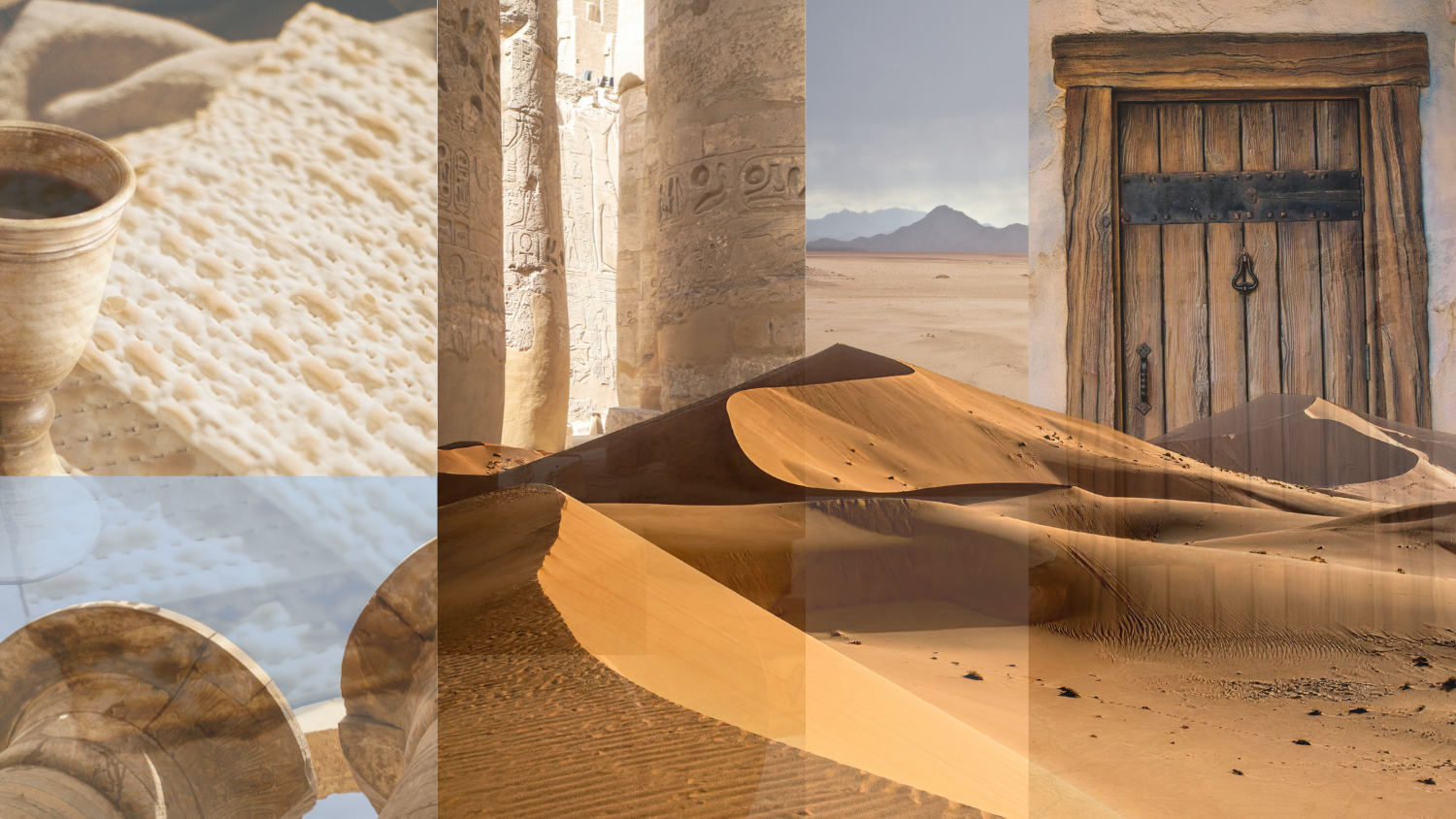
One cannot exaggerate just how critical the sequence of events recorded in Chapters 11, 12, and 13 of Exodus is in the history of Israel, the church, and the world. What God does, says, and reveals to his servant Moses and his covenant people still resonate with God’s people today as the Lord not only fulfills his word of promise to them, but also foreshadows his plans for us. Integral to this section are Stephen’s words from his sermon in front of the Sanhedrin council, where he refers to the Israelites as the “church in the wilderness” (Acts 7:37). The congregation or ekklesia that has survived countless eras of division, persecution, and suffering finds some of its foremost ingredients in an ancient ritual that was first uttered to slaves. In other words, while we recognize Acts 2 and the outpouring of the Spirit at Pentecost as the proverbial “birthday” of the church, and rightly so, the DNA for the church stretches all the way back to the days of Egyptian servitude, when God, with “a strong hand,” brought his people out of slavery and into freedom.
出埃及记第11、12和13章所记载的一系列事件,在以色列、教会以及世界的历史中具有至关重要的意义,无论如何强调都不为过。神对他仆人摩西及其立约之民所做、所说和所启示的一切,至今仍引起神的子民的共鸣,因为主不仅成就了对他们的应许之言,也预示了他对我们的计划。在这一部分中,司提反在公会面前讲道时的话语至关重要,他将以色列人称为“旷野中的教会”(使徒行传 7:37)。这个在无数次分裂、迫害和苦难的时代中幸存下来的会众或ekklesia,其最核心的要素部分源于一个最初对奴隶所颁布的古老仪式。换句话说,虽然我们将使徒行传第2章五旬节圣灵的浇灌视为教会名义上的“生日”,且这确实如此,但教会的基因可以一直追溯到在埃及为奴的日子,那时神用“大能的手”将他的子民从奴役中带入自由。
Setting the Stage for Salvation
为救赎铺路
To set the scene, we have to look at the prologue to the tenth and final plague and some of the elements that make it unique, chief among them being God’s extended introduction and reminder to set Moses’s expectations (Exod. 11:1–10). Back in Chapter 6, it was revealed that it would be none other than Pharaoh himself who’d drive the Israelites out of Egypt (Exod. 6:1). So far, though, that hadn’t happened. As the Lord reiterates what he said previously, he also reminds Moses of the “peaceful plunder” his people were about to mount on the Egyptians (Exod. 11:2–3). As that nation of slaves exited the land, they wouldn’t be doing so empty-handed; they’d leave with all the articles necessary to worship Yahweh just as he intended (Exod. 12:36; cf. Gen. 15:14).1 [1. This detail becomes all the more tragic once you make the connection that the jewelry plundered from Egypt and earmarked for the Tabernacle is the same jewelry Aaron confiscates to fabricate his golden calf (Exod. 32).] And what would prompt the Egyptians to want to get rid of them is the final plague, which was the most personal and excruciating of them all, leaving every firstborn—regardless of socio-economic status—struck down and drawing a “great cry” from all those affected (Exod. 11:4–8).
为了铺陈背景,我们必须审视第十场也是最后一场灾殃的序幕,以及使其独特的几个要素,其中最重要的是神对摩西所作的详细引导和提醒,以设定摩西的预期(出 11:1–10)。早在第六章中就揭示了,正是法老本人将把以色列人赶出埃及(出 6:1)。然而,直到那时,这件事尚未发生。当主重申他之前的嘱托时,他也提醒摩西,他的百姓即将对埃及人进行一场“和平的掠夺”(出 11:2–3)。当这个奴隶之国离开那片土地时,他们不会空手而归;他们将带走所有敬拜耶和华所需的物品,正如他所计划的那样(出 12:36;参 创 15:14)。1 [1. 一旦你将从埃及掠夺并预定用于会幕的珠宝,与亚伦后来没收用来制造金牛犊的珠宝联系起来,这个细节就变得更加悲剧(出 32)。] 而促使埃及人想要摆脱他们的,则是最后一场灾殃,这是所有灾殃中最具个人色彩且最令人痛苦的一场,导致每一个长子——无论社会经济地位如何——都被击杀,令所有受影响的人发出“大哀号”(出 11:4–8)。
A distinction is made, though, between those in Egypt and those who belong to the Lord. While the former’s hallways would rattle with the noise of their grief, not even a dog would growl in the latter’s homes—an obvious allusion to the solace, calm, and salvation the Lord would provide for them. After announcing the last plague and departing Pharaoh’s throne room in a rage (Exod. 11:8; cf. 10:28–29), Moses receives a special set of instructions that detail the means by which the people of Israel could survive the looming night of judgment, safe and sound (Exod. 12:1–13). This, of course, is the first announcement of the Lord’s Passover, that is, his offering of relief and escape from the plague of death, within which the Lord resets his people’s identity by resetting their calendar (Exod. 12:2). More than merely a new ritual or new rhythm, God was tethering who they were to what he was about to do.
然而,在埃及人与属于主的人之间存在着区别。前者的走廊将回荡着悲痛的喧嚣,而后者家中连狗也不敢摇舌——这显然是指主将为他们提供的安慰、平静和救赎。在宣布最后一场灾殃并愤怒地离开法老的宝座室后(出埃及记 11:8;参 10:28–29),摩西收到了一套特别的指示,详细说明了以色列子民如何在即将到来的审判之夜平安幸存(出埃及记 12:1–13)。当然,这就是主第一次宣布逾越节,即他提供的免于死亡灾殃的救济和逃脱之途,在此期间,主通过重设他们的历法来重塑他子民的身份(出埃及记 12:2)。这不仅仅是一个新的仪式或新的节奏,神正将他们的身份与他即将要做的事紧紧联系在一起。
In other words, they were to be a congregation of the Passover. Just as their calendars revolved around this day, so, too, were they to be absorbed by it. Each household was to take a lamb “without blemish” or defects, kill it, roast it, and then—according to a set of specific instructions (Exod. 12:8–11)—eat it. After sacrificing this lamb, they were to take some of its blood and apply it to the doorframes of their homes as a graphic emblem of God’s mercy and preservation (Exod. 12:12–13). As the rest of the land cried great cries of unfathomable grief, where no blood was found, the blood-stained doorframes were the Lord’s distinguishing ensign of who belonged to him and who were under his gracious protection. “When they sprinkled its blood on the posts,” Rev. Alexander Maclaren once said, “they confessed that they stood in peril of the destroying angel by reason of their impurity, and they presented the blood as their expiation.”1 [1. Alexander Maclaren, Expositions of Holy Scripture , Vols. 1–17 (Grand Rapids, MI: Eerdmans, 1944), 1:1.40–41.] God’s people, you might say, have always been identified by the blood that sets them apart.
换句话说,他们应当成为一个逾越节的会众。正如他们的历法围绕这一天运转,他们也应当被这一天所吸引。每个家庭都要选取一只“无残疾”或缺陷的羊羔,将其宰杀、烤熟,然后根据一套具体的指示(出 12:8–11)将其吃掉。在献祭这只羊羔之后,他们要取其血涂在房屋的门框上,作为神怜悯与保守的生动标志(出 12:12–13)。当这片土地的其他地方在无法言喻的悲痛中发出大哀号,且在那些地方找不到血迹时,染血的门框便是主区分谁属于他、谁在他的恩典保护之下的显著标志。亚历山大·麦克拉伦(Alexander Maclaren)牧师曾说:“当他们将血洒在门柱上时,他们承认自己因不洁而处于毁灭之使者的危险之中,并以这血作为他们的赎罪。”1 [1. Alexander Maclaren, Expositions of Holy Scripture , Vols. 1–17 (Grand Rapids, MI: Eerdmans, 1944), 1:1.40–41.] 你可以说,神的子民一直是通过那使他们与众不同的血而被认出来的。
The point is that only those who listen to the Lord’s words would be safe (Exod. 12:21–28). They couldn’t get away with boiling the lamb or deep frying it, as much as that might’ve tasted better, nor could they apply the blood in any old way they liked. Judgment would pass over those who listened and believed in the words of God, which were words of grace, solace, and deliverance. Similarly, the Body of Christ is a congregation that listens to the words that offer relief and release from grief, judgment, and death, which come from Christ alone. The church isn’t set apart by the words of humans, institutions, councils, or symposiums—as important as they might be. Rather, the distinguishing mark of God’s people is and always has been that they are a people who listen to and find their identity in the Lord’s words, especially the Word who became flesh for them.
重点在于,只有那些听从主之话的人才是安全的(出埃及记 12:21–28)。他们不能因为水煮或油炸羊羔可能更好吃就随意更改,也不能随心所欲地涂抹血液。审判将越过那些听从并相信神之话的人,而这些话语是恩典、安慰和拯救的话语。同样,基督的身体是一个听从那些提供救济并释放其脱离悲伤、审判和死亡之话语的会众,而这些话语唯独来自基督。教会并非由人类、机构、议会或研讨会的话语来分别——尽管这些可能很重要。相反,神子民的显著标志过去是、现在依然是:他们是一群听从主之话并在此中寻找身份的人,特别是那位为他们成为肉身的道。
Exodused for Worship
出埃及以敬拜
Events unfold just as God said they would, as nightfall is accompanied by the angel of death who takes the life of all the firstborn where the blood wasn’t applied (Exod. 12:29–32). This, as you might imagine, sends Egypt into bedlam, with the king himself being roused in the middle of the night to find that he, too, was a victim of this divine judgment. With the deafening cries of his people echoing in the streets, Pharaoh finally had enough. After reaching the point of giving up, he forces Moses and Aaron to get out, along with the rest of their kind, much to the delight of every Egyptian citizen (Exod. 12:33). For them, the Hebrews were living reminders of the curse that had befallen them, one that would soon put them in the grave as well.
事件正如神所说的那样展开,夜幕降临,灭命的天使随之而来,在没有涂血的地方夺走了所有长子的生命(出埃及记 12:29–32)。你可以想象,这让埃及陷入了极大的混乱,国王本人也在半夜被惊醒,发现自己同样是这次神圣审判的受害者。随着子民震耳欲聋的哭喊声在街道上回荡,法老终于忍无可忍。在绝望地放弃之后,他强迫摩西和亚伦离开,以及他们同类的所有人,这让每一个埃及公民都感到欣喜(出埃及记 12:33)。对他们来说,希伯来人是临到他们之上的咒诅的活生生提醒,而这个咒诅很快也将把他们送入坟墓。
As the Exodus develops, it becomes a hurried and anxious affair. In fact, things moved so fast that the Israelites had no time to let the yeast in their dough work its magic and make their bread loaves warm and fluffy (Exod. 12:34). Instead, they were forced to bake unleavened bread due to how hastily they were constrained to leave (Exod. 12:39). But leave they did, every last one of them (Exod. 12:35–41). After more than four centuries of bondage and suffering, they were finally free; no longer slaves. This, of course, had nothing to do with them, and everything to do with their God, the I Am, who did what he promised in and for his people. They were “brought out” by someone much better and stronger than them—a fact that the Lord is eager for them to remember. In fact, near the beginning of Chapter 13, the Israelites are reminded some seven times in fourteen verses that they were “exodused” via the “strong hand” of the Lord (Exod. 13:3–16). This was an event made entirely possible through divine intervention.
随着出埃及事件的展开,整个过程变得匆忙而焦虑。事实上,事情进展得如此之快,以至于以色列人没有时间让面团中的酵发挥作用,使面包变得温暖蓬松(出 12:34)。相反,由于他们被催逼离开,不得不烤无酵饼(出 12:39)。但他们确实离开了,一个也没有留下(出 12:35–41)。在经历了四个多世纪的奴役和苦难之后,他们终于获得了自由,不再是奴隶。当然,这与他们本身毫无关系,而完全在于他们的神——那位“我是”,他对他的人民成就了所应许的。他们是被一位比他们更好、更强的人“领出来”的——主渴望让他们记住这个事实。事实上,在第 13 章的开头,以色列人在 14 节经文中被提醒了大约七次,他们是通过耶和华的“大能的手”而被“领出”的(出 13:3–16)。这一事件完全是通过神圣的干预才成为可能的。
But the point is that they weren’t just emancipated, and that was the end of it. They might’ve been thrust out by the Egyptians, but it was Yahweh who was bringing them out so that they could follow and worship him alone (Exod. 13:1–2, 11–12). He was their God, and they were to be his people. They weren’t just saved from something; they were saved to something. “The Israelites ate the Passover meal,” J. Alec Motyer notes, “as those committed to go walking with God.”1 [1. J. Alec Motyer, The Message of Exodus: The Days of Our Pilgrimage , Revised Edition, The Bible Speaks Today (Downers Grove, IL: InterVarsity Press, 2021), 118–19.] They were rescued to become a worshiping people, that is, a community whose life and worth are found outside of them. This is the premise behind the Feast of Unleavened Bread, which called every Israelite to cast off the old leaven of sin and live in the “new” life of “sincerity and truth” (1 Cor. 5:7–8).
但重点在于,他们不仅仅是被解放了,然后事情就结束了。他们可能是被埃及人驱逐的,但却是耶和华将他们领出来,好让他们能单单跟随并敬拜他(出 13:1–2, 11–12)。他是他们的神,而他们应当成为他的子民。他们不只是被救离了某些事物,更是被救向某些事物。J. Alec Motyer 指出:“以色列人吃逾越节的晚餐,是以那些委身于与神同行的人的身份而吃。”1 [1. J. Alec Motyer, The Message of Exodus: The Days of Our Pilgrimage , Revised Edition, The Bible Speaks Today (Downers Grove, IL: InterVarsity Press, 2021), 118–19.] 他们被拯救是为了成为一个敬拜的子民,也就是说,成为一个其生命和价值不在于自身之内的群体。这就是无酵节背后的前提,它要求每个以色列人除净罪的旧酵,活在“诚实真正”的“新”生命中(林前 5:7–8)。
Just as God had “set them apart” by making a distinction between them and Egypt, they were to set themselves apart, consecrating themselves for his service. In other words, they were “brought out” so that they could follow the Lord wherever he leads or wills, a quality that endures as a defining characteristic of the church (Rom. 6:17–18). The Body of Christ is comprised of those who’ve been set free by the strong, nail-scarred hands of the Christ of God, which reconcile and embrace them, forming them into an assembly that sings endless praise to the Lamb that was slain for them (Rev. 5:9–10). The church, in other words, has been exodused for worship by the Messiah whose wounds serve as the central melody of its song. We are not our own. Rather, gloriously, we belong to the one who brought us out so that we might be gathered into his presence as a worshiping assembly.
正如神通过将他们与埃及区分开来而将他们“分别出来”一样,他们也要将自己分别出来,把自己奉献给他的服务。换句话说,他们被“领出来”,是为了无论主引导或旨意在何处,他们都能跟随主,这种特质至今仍是教会的一个定义性特征(罗 6:17–18)。基督的身体由那些被神的基督那双强有力的、带有钉痕之手释放的人组成,这双手使他们与神和好并接纳他们,将他们组成一个会众,向那位为他们被杀的羔羊献上无尽赞美(启 5:9–10)。换句话说,教会是被弥赛亚领出以进行敬拜的,弥赛亚的伤痕正是教会赞美之歌的核心旋律。我们不属于自己。相反,荣耀地,我们属于那位将我们领出来的人,好让我们能作为敬拜的会众聚集在他的面前。
The Meal That Preaches
传道之餐
Chief among the characteristics of God’s newly formed congregation is that they are a people who remember. Right on the heels of instituting the Passover, God’s first move is to ensure that what he’s about to do won’t be forgotten (Exod. 12:14–20). The blood on the doorposts hadn’t even dried yet, nor had anyone even set foot beyond the borders of Egypt, and yet the Lord was already preparing a way for them to remember. He knows how easily his people move on, how quickly we drift, and how prone we are to take his mercy for granted. Thus, he offers tangible and repeatable means by which his provision and grace can continually be called to mind. Instead of ceremonial busywork, these God-ordained rituals were designed as divine memory aids, so that those who belong to Yahweh can recall what he did for them, generation after generation.
神新建立的会众最主要的特征之一就是他们是一个懂得纪念的子民。在设立逾越节之后,神的第一个举措就是确保他即将成就的事不会被遗忘(出 12:14–20)。门框上的血甚至还没有干,也没有人踏出埃及的边界,但主已经在为他们预备纪念的方式。他知道他的子民多么容易忘却,我们漂泊得多么快,以及我们多么倾向于将他的怜悯视为理所当然。因此,他提供了切实且可重复的手段,使他的供应和恩典能被不断地想起。这些由神设立的仪式并非仪式性的繁琐工作,而是被设计成神圣的记忆辅助工具,好让属于耶和华的人能够代代相传地回忆他为他们所做的事。
The Feasts of Passover and Unleavened Bread were “statutes” created by God to “memorialize” the Exodus, wherein every element told the story of their deliverance. As Allan M. Harman says, “The ritual of the Passover also served to function as a teaching ministry, for there was a recital of the redemptive history.”1 [1. Allan M. Harman, Exodus: God’s Kingdom of Priests , Focus on the Bible Commentary Series (Ross-shire, England: Christian Focus, 2017), 134.] The slain lamb spoke of the cost of deliverance and how freedom always comes at a price. The unleavened bread spoke of the urgency of their deliverance and how there’s no room for delays when God places his call on you. The blood spoke of the means of their deliverance and the redemptive judgment that made them his. The bitter herbs spoke of the pain and misery from which God delivered them. In other words, every bite they took preached something to them. The whole meal was a sermon—one that was intended to be repeated, over and over again (Exod. 12:14, 17, 24), so that even centuries later, the same testimony of God’s gracious deliverance could resonate in the hearts of the redeemed (Exod. 13:8–10).
逾越节和无酵节是神设立的“定例”,旨在“纪念”出埃及事件,其中的每一个元素都在讲述他们得救的故事。正如 Allan M. Harman 所说:“逾越节的仪式还起到了教学事工的作用,因为其中包含了对救赎历史的叙述。”1 [1. Allan M. Harman, Exodus: God’s Kingdom of Priests , Focus on the Bible Commentary Series (Ross-shire, England: Christian Focus, 2017), 134.] 被杀的羊羔诉说着拯救的代价,以及自由总是需要付出代价。无酵饼诉说着拯救的紧迫性,以及当神向你发出呼召时,没有拖延的空间。血诉说着拯救的手段,以及使他们成为神子民的救赎性审判。苦菜诉说着神将他们从中拯救出来的痛苦与悲惨。换句话说,他们吃下的每一口食物都在向他们传道。整顿晚餐就是一篇讲章——一篇旨在一次又一次重复的讲章(出 12:14, 17, 24),以便即使在几个世纪之后,关于神恩典拯救的同样见证仍能在被救赎者的心中产生共鸣(出 13:8–10)。
When the soon-to-be crucified Messiah reclined around the table with his disciples mere hours before he was betrayed and given the kiss of death, he shared in one last Passover, taking each of those familiar elements and reinterpreting them around himself, and the work he was about to accomplish (Luke 22:14–20). The bread and the cup are recast as marks of the new covenant that emerges from Jesus’s death and resurrection. Thus, whenever the church partakes of the Lord’s Supper, the resonance of that first Passover meal continues to reverberate, resonating even deeper and truer in a meal that preaches the good news of deliverance from sin.
当那位即将被钉十字架的弥赛亚在被背叛并被亲吻出卖前几个小时,与门徒一同在桌旁斜靠时,他参与了最后一次逾越节,将那些熟悉的元素一一取出,并围绕他自己以及他即将成就的工作重新诠释(路 22:14–20)。饼和杯被重新定义为从耶稣的死亡和复活中产生的新约标志。因此,每当教会参与圣餐时,那第一顿逾越节晚餐的共鸣便继续回荡,并在这一顿传讲脱离罪恶之拯救好消息的餐食中,产生更深、更真实的共鸣。
The Rhythm of Remembrance
纪念的律动
The Exodus wasn’t meant to be an event quarantined to ancient history. Rather, it was to be the abiding and defining event that preached to God’s people how they became God’s people. “The Passover,” Michael P. V. Barrett asserts, “as is true for the entire exodus, is more than history; it conveys the message of the everlasting gospel.”1 [1. Michael P. V. Barrett, The Gospel of Exodus: Misery, Deliverance, Gratitude (Grand Rapids, MI: Reformation Heritage Books, 2020), 107.] Thus, the rhythm of Israel’s worship was built around this rehearsed reality, where every feast, every law, every Sabbath, and every psalm was geared towards remembering the Lord who saves, who delivers, and who keeps every single one of his promises. And the reason this is so important is because forgetfulness is the first step on the road to rebellion (Deut. 8:11–14; Ps. 78:5–8). When God’s people forget what he has done, they soon start living as though he never did it, or they begin to take credit for who they are and where they are, causing gratitude to dissipate and worship to become dull and performative.
出埃及事件并非旨在被隔离在古代历史之中。相反,它应当成为一个持久且定义性的事件,向神的子民传讲他们是如何成为神子民的。迈克尔·P·V·巴雷特(Michael P. V. Barrett)断言:“逾越节,正如整个出埃及事件一样,不仅仅是历史;它传递了永恒福音的信息。”1 [1. Michael P. V. Barrett, The Gospel of Exodus: Misery, Deliverance, Gratitude (Grand Rapids, MI: Reformation Heritage Books, 2020), 107.] 因此,以色列敬拜的节奏是围绕着这个被反复演练的现实而构建的,每一次节期、每一条律法、每一个安息日以及每一篇诗篇,都旨在纪念那位拯救、救赎并信守每一个应许的主。而这之所以如此重要,是因为遗忘是走向反叛之路的第一步(申 8:11–14;诗 78:5–8)。当神的子民忘记他所做的事时,他们很快就会开始生活得好像他从未这样做过,或者开始将自己的身份和地位归功于自己,导致感恩之心消散,敬拜变得枯燥且流于形式。
Consequently, right from the very start, God ingrained a pattern of remembrance into the lives of his people, a pattern that is maintained whenever the church gathers to remember the work of God in Christ for them (Acts 2:42). This is the heartbeat of Christian worship—namely, a steady, deliberate rehearsal of what God has done. “Perhaps the most crucial part of our worship,” Griffin Gooch recently wrote, “is that we worship repeatedly, rhythmically, and sustainably.” When we, as the church, assemble, we engage in the same divine rhythm of hearing (again) the story of our deliverance, proclaiming it (again) to one another, and letting it shape and inform how we live. We come together, not to hear some newfangled doctrine, fresh idea, or innovative lecture. Rather, we come together to hear and remember what’s been done. This is what keeps the church steady, which is why we keep telling the same story of grace on repeat. Because when we stop remembering, we forget who we are.
因此,从一开始,神就在他子民的生活中植入了一种纪念的模式,每当教会聚集在一起纪念神在基督里为他们所成就的工作时,这种模式就会得以维持(使 2:42)。这就是基督徒崇拜的核心——即对神所成就之事的稳定且刻意的反复操练。“也许我们崇拜中最关键的部分,”格里芬·古奇(Griffin Gooch)最近写道,“就是我们重复地、有节奏地且可持续地进行崇拜。”当我们作为教会聚集时,我们参与到同样的属神节奏中:再次聆听我们被救赎的故事,再次向彼此宣告,并让这个故事塑造并指导我们的生活。我们聚集在一起,不是为了聆听某种新奇的教义、新鲜的想法或创新的讲座。相反,我们聚集在一起是为了聆听并纪念那些已经成就的事。这就是让教会保持稳固的力量,也是为什么我们不断重复讲述同一个恩典故事的原因。因为当我们停止纪念时,我们就忘记了自己是谁。