《一种不同的存在方式》(大卫·基尔瓦·塔鲁斯 著)书评
"A Different Way of Being," by David Kirwa Tarus: A Review
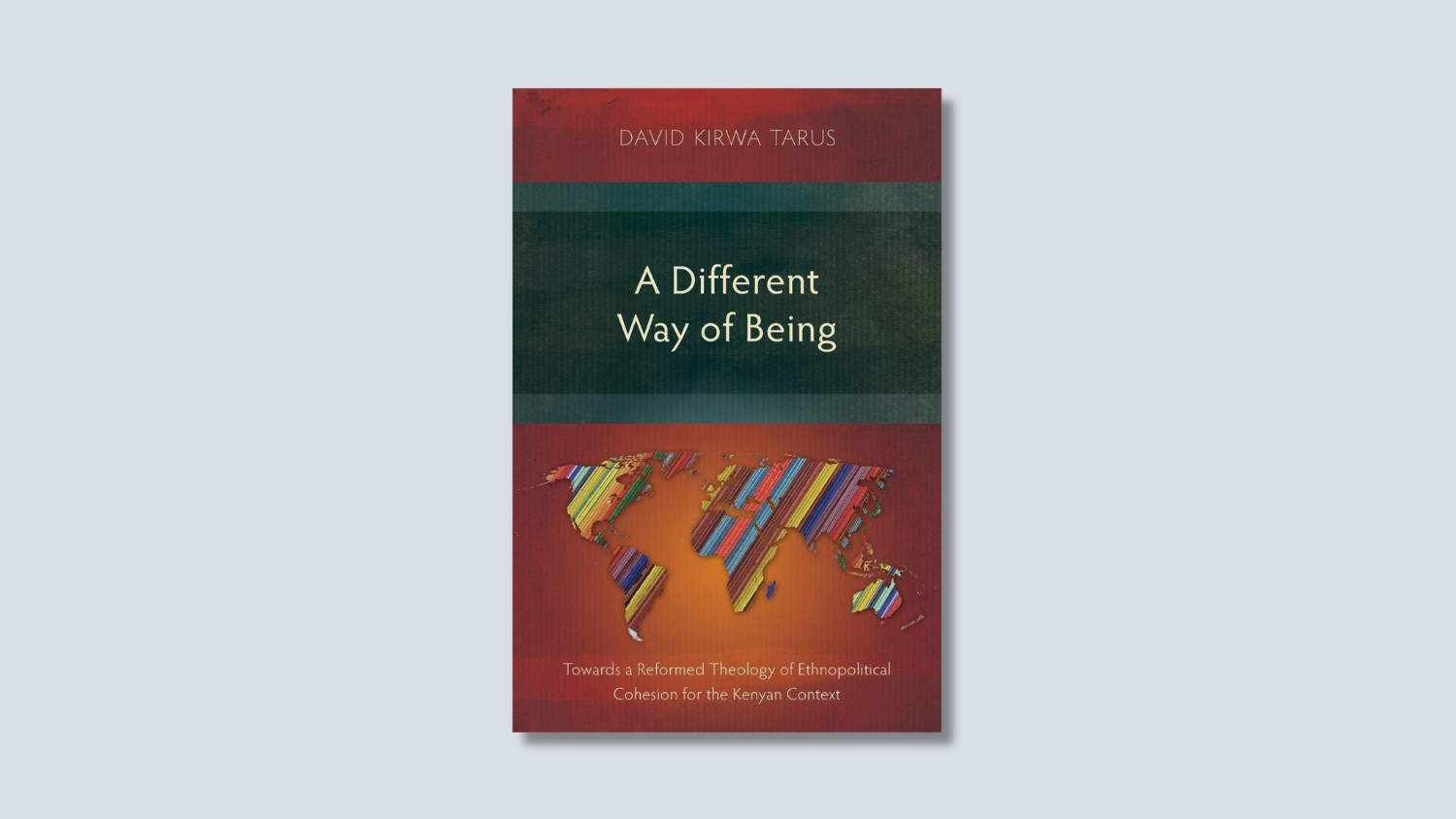
A Different Way of Being: Towards a Reformed Theology of Ethnopolitical Cohesion for the Kenyan Context By David Kirwa Tarus Langham Monographs | 2019 | 230 pages (paperback) | $40.99
A Different Way of Being: Towards a Reformed Theology of Ethnopolitical Cohesion for the Kenyan Context (《另一种存在方式:面向肯尼亚语境的族群政治凝聚力改革宗神学》) 作者:David Kirwa Tarus Langham Monographs | 2019年 | 230页(平装) | 40.99美元
I have had the pleasure of corresponding with David Kirwa Tarus while writing my children’s book on Byang Kato (an important African theologian). I have a high estimation of Tarus’s work in his African context, and I am a firm believer in the importance of learning from the global church because we can often get used to our comfortable blinders. I was eager to read this book, certain that it would have much to offer to churches outside of its geographical area. I was not disappointed.
在撰写关于拜昂·卡托(Byang Kato,一位重要的非洲神学家)的儿童读物时,我有幸与大卫·基尔瓦·塔鲁斯(David Kirwa Tarus)进行了通信。我对塔鲁斯在非洲语境下的工作高度评价,并且我坚信向全球教会学习至关重要,因为我们往往容易习惯于自己舒适的盲区。我非常渴望阅读这本书,并确信它能为该地理区域以外的教会提供很多启发。而事实证明,这本书没有让我失望。
Tarus begins by agreeing with a Facebook user that most Kenyan Christians pledge their allegiance first to their tribe, then to their political parties, and finally to Christ. Although this book was written to address the problem of ethnopolitical conflicts in Kenya, it made me wonder if, by substituting the word “tribe” with “family,” this assessment could be applied to some American Christians.
塔鲁斯在书的开头同意了一位 Facebook 用户的观点,即大多数肯尼亚基督徒首先效忠于自己的部落,其次是政党,最后才是基督。虽然这本书是为了解决肯尼亚族群政治冲突的问题而写的,但它让我思考,如果将“部落”一词替换为“家庭”,这种评估是否也适用于一些美国基督徒。
This misguided allegiance, Tarus argues, is at the root of the animosity, bigotry, and violence that have plagued his nation. The numbers are staggering. In the months following the disputed presidential election of Mwai Kibaki on December 27, 2007, more than 1,100 Kenyans were reported killed, thousands more injured, 650,000 people internally displaced and 78,000 houses were burned down. The descriptions of some of these acts of violence are disturbing.
塔鲁斯认为,这种误导性的效忠是困扰其国家的敌意、偏见和暴力的根源。相关数据令人震惊。在 2007 年 12 月 27 日姆瓦伊·基巴基(Mwai Kibaki)那场有争议的总统选举后的几个月里,据报道有 1,100 多名肯尼亚人被杀,数千人受伤,65 万人国内流离失所,7.8 万栋房屋被焚毁。书中对其中一些暴力行为的描述令人不安。
In the face of this crisis, Tarus believes that “the search for ethnic cohesion in Kenya is a theological task that calls for a new theological anthropology and politics. Thus, a new future in Kenya calls for a new way of being human, which can only be availed of when people respond to the divine call and grace” (2).
面对这场危机,塔鲁斯认为,“在肯尼亚寻求族群凝聚力是一项神学任务,它要求一种新的神学人类学和政治学。因此,肯尼亚的新未来需要一种新的为人方式,而这种方式只有在人们回应神圣的呼召与恩典时才能实现”(第 2 页)。
The book goes on to consider how this goal can be achieved. What Tarus calls “a new theological anthropology” is essentially a return to the biblical teaching that humans are created in God’s image. Tarus devotes a whole chapter to this concept of the imago Dei as a reality that encompasses all humanity, though marred by the Fall. To this, Tarus adds a reminder that this image includes people of all ethnicities—a reality which he believes to be prelapsarian, given that “God’s creation is depicted as an intricate world of vibrant diversity” (6). (He follows this statement with biblical references.)
书中接着探讨了如何实现这一目标。塔鲁斯所谓的“一种新的神学人类学”,本质上是回归到圣经的教导,即人类是按照神的形象创造的。塔鲁斯用整整一章来讨论 imago Dei(神的形象)这一概念,将其视为涵盖全人类的现实,尽管这一形象因堕落而受损。对此,塔鲁斯提醒人们,这一形象包括所有族群的人——他认为这是一个前堕落(prelapsarian)的现实,因为“神的创造被描绘为一个充满活力且多样化的复杂世界”(第 6 页)。(他在这一陈述之后列举了圣经参考资料。)
In the same chapter, Tarus examines several views of the imago Dei throughout church history and particularly in the writings of John Calvin. Drawing from the works of several authors, Tarus highlights ways in which a diminished view of God's image in mankind can lead to violence. Conversely, he shows how a true understanding of God's image, exemplified in the courageous actions of Kenyan Christians in the wake of the 2007–2008 violence, is foundational to the Kenyan value of utu (human dignity). This might be his most important chapter in the book, since the imprint of God's image on every human being is at the foundation of Tarus's challenge to the church.
在同一章中,塔鲁斯考察了教会历史上,特别是约翰·加尔文(John Calvin)著作中关于 imago Dei 的几种观点。塔鲁斯借鉴多位作者的作品,强调了对人类身上神形象的低估如何导致暴力。相反,他展示了对神形象的正确理解——正如 2007-2008 年暴力事件后肯尼亚基督徒的勇敢行动所体现的那样——是如何成为肯尼亚 utu(人的尊严)价值观之基石的。这可能是本书中最重要的章节,因为神形象在每个人身上的印记,正是塔鲁斯向教会发起挑战的根基。
The following chapter explores the meaning of identity for a Christian, showing how the Christian maintains his or her identity while forgoing aspects of that identity “that are not aligned with God’s will” (134). This chapter underlines the roles of Christ, the Holy Spirit, God’s word, and the church, as well as the progressive nature of sanctification.
接下来的章节探讨了基督徒身份的意义,阐明了基督徒如何在舍弃那些“不符合神旨意”的身份特质(134)的同时,维持其身份。本章强调了基督、圣灵、神的话语以及教会的作用,以及成圣的渐进性质。
Chapter six deals with the issue of politics. I have some qualms about the comparison of David VanDrunen’s thought with that of Neo-Calvinists such as Abraham Kuyper, since the use of terms such as “dualism,” “dichotomy,” and “antithetical” to describe VanDrunen’s view of God’s two kingdoms is not accurate. VanDrunen’s writings clearly outline that both kingdoms are God’s and are therefore complementary, although distinct. The chapter as a whole, however, is an excellent reflection on a Christian view of politics in light of Calvin's perception of it as an instrument for the common good, which includes the interests of the poor and marginalized.
第六章讨论了政治问题。对于将大卫·范德鲁宁(David VanDrunen)的思想与亚伯拉罕·凯伯(Abraham Kuyper)等新加尔文主义者进行比较,我持有某些疑虑,因为使用“二元论”、“二分法”和“对立”等词汇来描述范德鲁宁对神两个国度的看法并不准确。范德鲁宁的著作清楚地指出,两个国度都属于神,因此虽然截然不同,但却是互补的。然而,本章整体上是对基督徒政治观的一次极佳反思,它基于加尔文将政治视为实现公共利益(包括贫穷者和边缘化群体的利益)之工具的认知。
The last three chapters in the book address the thought and work of four significant Kenyan theologians: David Gitari, Henry Okullu, Jesse Mugambi, and John Mbiti. Each of these men proposed different solutions to Kenya’s problems. After giving a brief description of their lives, Tarus examines their views in comparison with Calvin’s.
书中的最后三章探讨了四位重要肯尼亚神学家的思想和工作:大卫·吉塔里(David Gitari)、亨利·奥库鲁(Henry Okullu)、杰西·穆甘比(Jesse Mugambi)和约翰·姆比蒂(John Mbiti)。这些人分别为肯尼亚的问题提出了不同的解决方案。在简要介绍他们的生平之后,塔鲁斯(Tarus)将他们的观点与加尔文的观点进行了对比研究。
Throughout the book, Tarus quotes many other authors, including members of the Circle of Concerned African Women, a group that has made important contributions to African theology. Some Western Christians might react negatively to definitions such as “feminist” or “liberation theology,” but the meaning intended by the authors might differ from our assumptions. For example, Mercy Amba Oduyoye, founder of the Circle, defines feminist theology as “simply letting African women solve issues African women encounter in their day-to-day lives” (18).
在整本书中,塔鲁斯引用了许多其他作者的话,包括“关注非洲女性之圈”(Circle of Concerned African Women)的成员,该团体为非洲神学做出了重要贡献。一些西方基督徒可能会对“女权主义”或“解放神学”等定义产生负面反应,但作者所意指的含义可能与我们的假设不同。例如,该团体的创始人默西·安巴·奥杜约耶(Mercy Amba Oduyoye)将女权主义神学定义为“简单地让非洲女性解决她们在日常生活中遇到的问题”(18)。
History enthusiasts will enjoy the chapters devoted to the history of postcolonial Kenya, which highlights some problems of colonialism which are not typically discussed in history books. According to Tarus, even most missionaries unwillingly “precipitated the volatile problem of tribalism in Kenya by concentrating their outreach on specific ethnic communities while neglecting others” (94).
历史爱好者会喜欢那些致力于探讨后殖民时期肯尼亚历史的章节,这些章节揭示了一些历史书中通常不讨论的殖民主义问题。根据塔鲁斯的说法,即使是大多数传教士也无意中“加剧了肯尼亚动荡的部落主义问题,因为他们将宣教重点放在特定的族群,而忽略了其他族群”(94)。
The book concludes with a challenge to Kenyan Christians not only to put into practice the doctrine of the imago Dei, but also to learn to converse charitably with others in their pluralistic society: “Kenyan Christians, as they respond to God’s gift of grace in their lives, are enabled to live lives that truly reflect the meaning of love and neighborliness in a society that is characterized by ethnic hatred and political divisions” (292).
本书最后向肯尼亚基督徒发起挑战,不仅要求他们将“上帝形象”(imago Dei)的教义付诸实践,还要学会与多元社会中的他人进行宽容的对话:“肯尼亚基督徒在回应神在他们生命中所赐的恩典时,能够在这个以种族仇恨和政治分歧为特征的社会中,活出真正反映爱与邻舍关系真谛的生活”(292)。
While Tarus embraces a view of faith as integrated into all aspects of life, he strongly cautions against coercion and exhorts Christians to “be civil in their engagement with culture,” seeking language that emphasizes common ground (293).
虽然塔鲁斯认同信仰应融入生活的方方面面,但他强烈警告不要采取强迫手段,并劝勉基督徒“在与文化的接触中保持文明”(293),寻求强调共同点的语言。
This book may not appeal to everyone. Those readers with many daily responsibilities may not have time to study the history and challenges of the church in Kenya alongside proposed theological solutions. But for readers concerned about rising violence and division in our own country, listening to voices from contexts that have endured similar struggles—often on a greater scale—might prove beneficial and enriching.
这本书可能并非所有人都会感兴趣。那些日常职责繁重的读者可能没有时间在研究拟议的神学解决方案的同时,去研究肯尼亚教会的历史和挑战。但对于那些关注我们国家日益增长的暴力和分歧的读者来说,倾听来自经历过类似挣扎(且规模通常更大)之环境的声音,可能会被证明是有益且令人获益匪浅的。